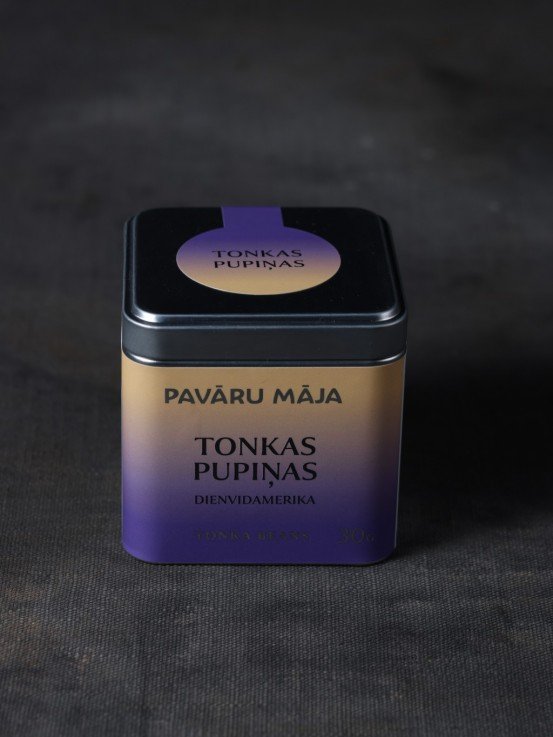
Tonka Bean

9.49

Wrinkled and rather unassuming in appearance, yet remarkably bold and intriguing in aroma, Tonka bean is one of the most fascinating spices in the world. Despite its name, it is not actually a bean, but the seed of the fruit of an exotic South American tree. Originating from the mysterious Amazon rainforest, it is one of the most aromatic ingredients used in modern cuisine. Tonka bean has become an indispensable ingredient in many chefs’ kitchens — and now it is ready to become part of your own flavour journey at home.

Tonka bean has a very intense flavour, so it should be used extremely sparingly — just a tiny amount on the tip of a knife is more than enough for a culinary experiment.

Sweet dishes: An excellent alternative or complement to vanilla. Add it to sauces, creams, ice cream, Christmas biscuits, and cakes.

Savoury dishes: Finely grate a tiny amount into tomato sauce, mashed potatoes, pumpkin soup, or game marinades.

Tip: The easiest way to use a whole Tonka bean is to grate it finely with a nutmeg grater shortly before serving or towards the end of cooking.
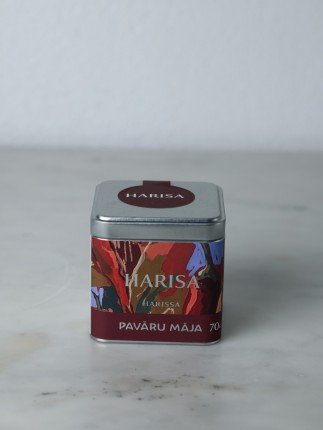
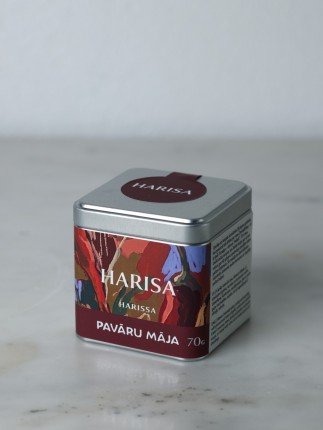
“When I first tried Tonka bean in the kitchen, I was amazed by its incredibly rich and layered aroma. It brings together warm notes of vanilla, sweet woodruff, bitter almond, and even freshly cut hay. At Pavāru māja, we love breaking down familiar boundaries between flavours — Tonka is not just a dessert spice! I have discovered that it can also add a fantastic, subtle, and intriguing nuance to savoury dishes, such as creamy sauces, root vegetable soups, and roasts.” — Ēriks Dreibants, Chef

Our Tonka beans are harvested in South America, in the heart of the Amazon rainforest, where they are hand-picked by local indigenous communities. After harvesting, the beans are slowly and carefully dried over several months, allowing them to naturally develop and reveal their distinctive aromatic complexity. In South America, Tonka beans have long been associated with mystical and healing traditions. They have sometimes been carried as amulets symbolising health and prosperity, while their warm, sweet fragrance has also been used for centuries in perfumery and aromatic traditions.

You migh't like also

Michelin 2024 & Sustainable GastronomyMichelin 2024 & Sustainable Gastronomy
Baltic WINE & DRINKS awards 2023Baltic WINE & DRINKS awards 2023